
Why Bars Are So Much More Than Places to Drink
People do not go to bars simply to have a cocktail. They go to experience a particular atmosphere, feel a sense of belonging, nurture connections or step away from everyday life for a while. Our psychological analysis of bar culture, commissioned by THOMAS HENRY*, makes this clear: bars are social experience spaces. Human connection is the real product; cocktails and long drinks are the enjoyable enablers that make it happen.
In-depth interviews with leading bartenders in Hamburg and Berlin, as well as their guests, highlighted just how closely consumption, social interaction, aesthetic and spatial design, and emotional experience are intertwined. This offers important practical implications for hospitality businesses: those who understand their guests’ psychological needs can shape their spaces, offers and communication with greater purpose and impact.
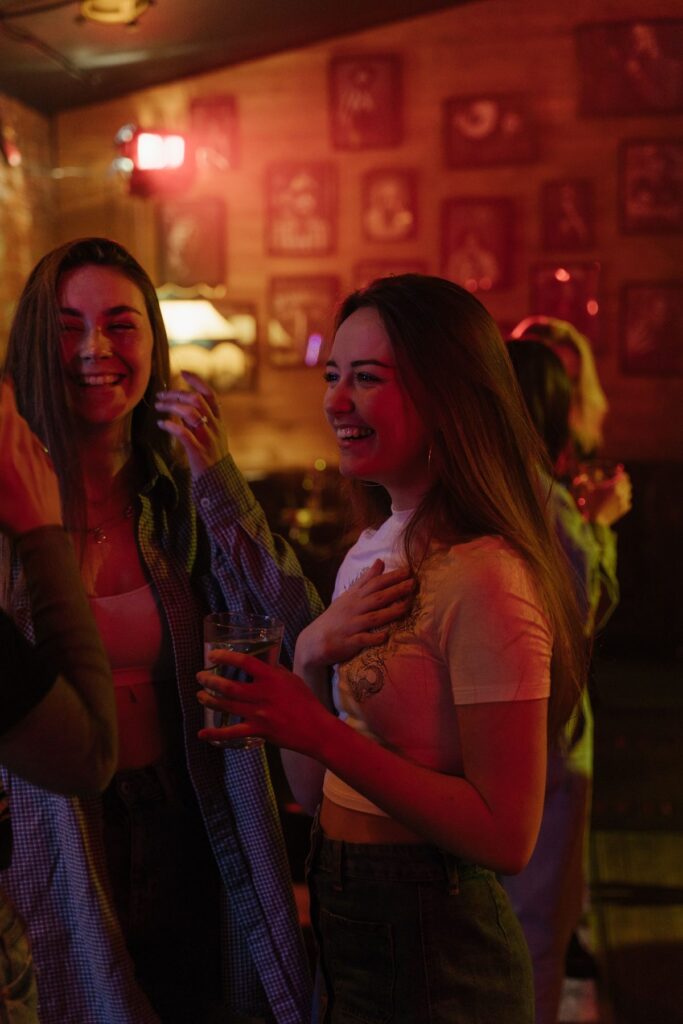
The Experience Is the Product
Unlike grabbing a quick drink at a late-night “Späti” kiosk, a visit to a bar is defined by the overall experience: lighting, music, interior design, scents, service, noise levels and the presence of other guests all influence whether a venue feels inviting or overwhelming, exclusive or relaxed, safe or stressful.
From a psychological perspective, atmosphere operates on several levels:
- It signals who a place is – or is not – intended for, and which forms of behaviour seem appropriate there.
- It shapes guests’ emotional state, giving the entire experience its distinctive character.
- It facilitates social encounters – whether they are planned, desired or spontaneous – or inhibits them.
- It influences how guests remember their visit and, in turn, how likely they are to return.
A thoughtfully designed bar therefore does more than create aesthetic appeal. It offers psychological orientation and enables feelings of sociability, unhurried enjoyment, adventure, status or familiarity.
Bars Are Places of Social Visibility
In a bar, we meet friends and colleagues, or get to know new people. We observe others – and are observed ourselves. In this way, bar culture creates social encounters and cohesion at a time when public life is increasingly fragmented by digital habits: we watch series and films in small, private streaming gatherings. On buses and trains, headphones allow us to retreat into private or imagined worlds. And at work, flexible schedules and remote working make spontaneous encounters difficult without a deliberate arrangement. Bars, by contrast, offer valuable opportunities for informal exchange, organically emerging belonging and the expression of one’s own identity.
This also applies to the choice of cocktails, alcohol-free alternatives, regional spirits or premium classics, because consumption decisions are often symbolic in nature: they express values, lifestyles and social affiliations.
In the spirits category, this is evident in three developments, for example:
- Craft and quality: Artisan-style drinks speak to desires for authenticity, expertise and distinction.
- Alcohol-free choices: They support personal agency through mindful enjoyment, without asking guests to compromise on a distinctive taste experience.
- Regional and sustainable products: They can make environmental values, local connections and conscious consumption visible.
Service, too, responds to social needs and functions, because bar guests want to feel comfortable and recognised. On the one hand, they seek guidance in unfamiliar territory – spatially, socially and in terms of flavour, especially when faced with complex menus. On the other, autonomy matters, from choosing a seat to selecting a drink. Excellent service therefore combines expertise with sensitivity to the moment. The right recommendation can reduce uncertainty and elevate the bar experience through warm attention and a credible, personal approach. At a time of standardised digital ordering processes, this can become a clear point of differentiation.
Practical Considerations
The following questions can help shape a bar’s own offer and guest experience:
- What emotional experience should a visit to our venue create?
- Which people should feel naturally and unequivocally welcome here?
- Do the design, music, drinks menu and service consistently reflect this positioning?
- Which social situations do we make easier or actively encourage?
- How can we make quality, regionality or sustainability tangible for guests?
- What role do alcohol-free drinks and inclusive formats play in our offer?
Bar culture is therefore far more than serving drinks. It is the intentional design of social experiences. Bars that see their guests not merely as customers, but as people with needs for belonging, orientation and self-determination, create experiences that stay in the memory.
* Thomas Henry is an urban Berlin-based premium mixer brand, developing flavour-forward mixers and lemonades in collaboration with bar culture for sophisticated cocktails, long drinks and alcohol-free creations.
Image credit: cottonbro (Pexels)